Brand Sponsorships with Few Followers: Complete Guide for Small Streamers
Landing brand sponsorships is possible even with just a few hundred followers. Discover how to build a media kit, craft winning pitches, set rates, and secure deals as a growing streamer.

Introduction: Are Sponsorships Only for Big Streamers?
Many small streamers believe that securing sponsorships requires hundreds of thousands of followers. The reality is quite the opposite—nowadays, brands are shifting toward streamers with smaller yet highly loyal communities rather than celebrity-status creators. Small streamers' viewers know them personally, trust their word, and rarely hesitate to buy products they recommend. In marketing terms, this is known as micro-influencer marketing, and brands in Bangladesh across gaming, lifestyle, and tech sectors are actively hunting for creators like you.
Even with just 500 to 5,000 followers, you can land sponsorships—if you position yourself properly. In this guide, we'll walk you through step-by-step how to make your channel sponsor-ready, discover potential brands, craft the perfect pitch, and negotiate fair deals.
Why Do Brands Sponsor Small Streamers?
First, it's essential to understand the brand's perspective; this makes pitching exponentially easier. While massive creators boast broader reach, their cost per post is sky-high, and audience trust is often diluted. In contrast, smaller streamers offer clear advantages:
- Higher Engagement: On smaller channels, viewers actively comment, stay glued to the live chat, and genuinely listen to the streamer. To brands, this real-time engagement is pure gold.
- Cost-Effective Testing: For the budget of one massive creator, a brand can test campaigns across 10–15 smaller streamers to evaluate which audience delivers the best conversion.
- Targeted Niche Audience: If you exclusively stream mobile games, your audience is uniquely valuable to gaming phone or earphone brands—far more than a generic page with a million random followers.
- Authentic Trust Over Scripted Reviews: Viewers know smaller streamers can't afford to mislead them, making organic recommendations feel genuine and reliable.
Step 1: Get Sponsor-Ready Before Reaching Out
Before pitching to brands, get your channel in top shape. Make sure to check off every single item on this list:
- Consistent Stream Schedule: Go live at set times at least 3–4 days a week. No brand wants to invest in an irregular, unpredictable streamer.
- Clean Channel Branding: Keep your profile picture, cover banner, and bio consistent across all platforms. Clearly state what you stream in a single, crisp sentence in your bio.
- Know Your Average Viewership: Average concurrent viewers (CCV) and average watch time matter far more than raw follower counts. Track and record these numbers from the last 30 days.
- Understand Your Demographics: Who is your audience—students, competitive gamers, based in Dhaka or other divisions? Brands will ask for these exact audience insights.
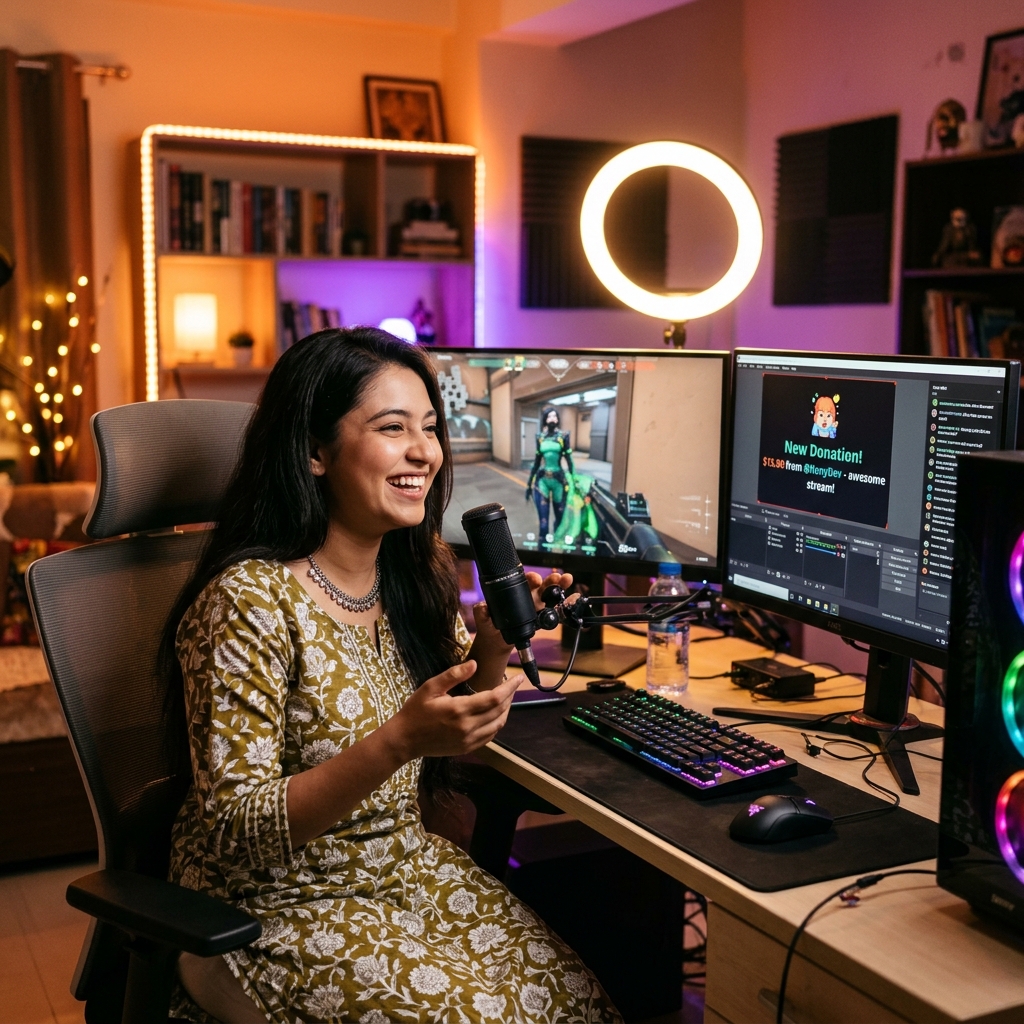
- Show Proof of Audience Support: Demonstrate that your audience actively backs you financially. For instance, showcasing a consistent tipping history via Superchat BD proves to brands that your viewers are accustomed to spending money—a massive selling point for any sponsor.
Step 2: Build a One-Page Media Kit
A media kit is your channel's professional resume—a concise one-page document to send to prospective brands. You don't need fancy, expensive software; a clean one-pager made in Google Docs or Canva works perfectly. Here is what you should include:
- Your name, channel name, and streaming platforms
- Follower count, average live concurrent viewers (CCV), and total monthly impressions/views
- Audience demographics (age group, primary interests, location/cities)
- Deliverables offered (on-stream product placement, dedicated reviews, pinned live chat links, social story posts)
- Pricing tiers or rate card per deliverable
- Portfolio / past brand work (or direct links to your best stream highlights if you're starting out)
- Dedicated business contact email
Remember, never inflate your numbers in a media kit. Brands verify metrics easily, and losing credibility once burns bridges across the entire creator industry.
Step 3: 5 Proven Ways to Find Sponsors
1. Brands and Products You Already Use on Stream
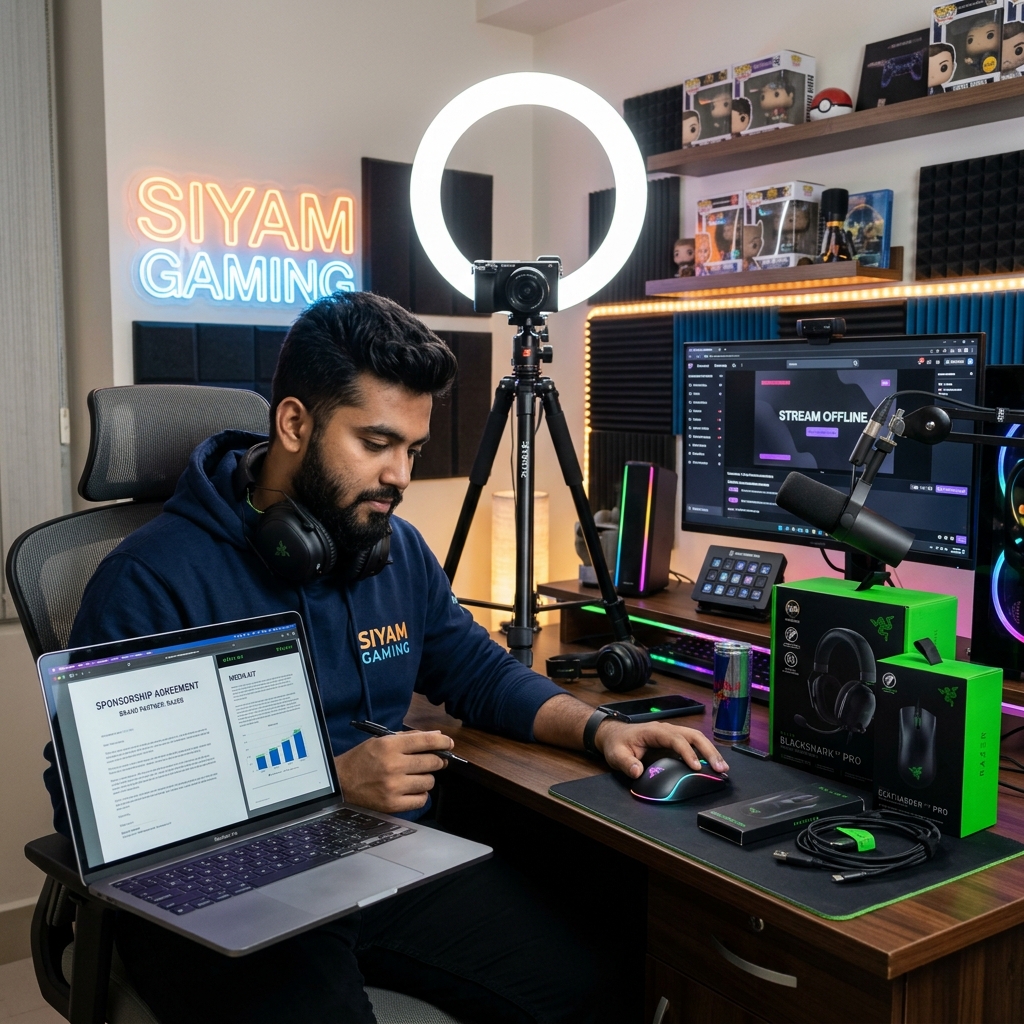
The easiest starting point. Reach out to the brands behind the headset you wear, the gaming chair you sit on, or the energy drink you sip on stream. You are already an authentic user—that is your strongest leverage.
2. Small and Mid-Sized Niche Brands
Instead of chasing multinational giants, target local businesses—gaming gear shops, custom PC builders, phone accessory vendors, and apparel brands. They often operate on leaner marketing budgets, making small streamers an ideal match. Businesses running regular Facebook boosted posts are typically primed to test creator sponsorships.
3. Benchmark Sponsors from Other Streamers
Observe which brands sponsor established creators in your niche. Brands already spending money on livestream marketing are far more likely to onboard up-and-coming streamers if pitched effectively.
4. Facebook Groups and Creator Communities
Marketing managers regularly scout Bangladeshi creator and digital marketing Facebook groups for live talent. Stay active, network, and respond promptly to creator casting calls.
5. Direct Professional Email Outreach
Locate the brand's official marketing or PR email from their website or Facebook page. Direct email outreach conveys a much higher degree of professionalism than casually messaging their social inbox.
Step 4: How to Write a Winning Pitch Email
Your pitch must be short, specific, and professional. Nobody reads endless autobiographies. A solid outreach pitch contains four distinct elements:
- Introduction (2 lines): State who you are, what niche you stream, and your core audience metrics.
- Why This Brand (2 lines): Mention a specific product you personally use or love. This proves your outreach isn't an automated copy-paste blast.
- The Proposal (3 lines): Outline exact deliverables—e.g., 2 live stream product integrations + 1 dedicated review video. Keep deliverables crystal clear.
- Next Step (1 line): Offer to share your media kit and politely invite their feedback.
Never mass-send identical generic messages to 20 brands. Customize at least the "Why This Brand" section for each recipient. Ten tailored, thoughtful pitches outperform 100 copy-pasted emails every single time. If you don't hear back, send a polite follow-up after 7 days before moving on.
Step 5: Pricing Strategy and Contract Essentials
The biggest mistake beginner streamers make is either working completely for free or demanding unrealistic corporate rates. Early on, follow a straightforward rule: price your packages based on average live CCV, and offer slight introductory discounts for your first 2–3 deals to build case studies and testimonials. Only accept barter deals (free products instead of cash) if the product is genuinely valuable and essential to your setup.
Regardless of the payout, always confirm the following terms in writing (via email or formal agreement):
- Exact deliverable count (live integrations, dedicated posts, short clips) and strict delivery timelines
- Payment schedule and method (e.g., upfront deposit percentage vs. balance on completion)
- Revision scope: specify how many rounds of edits the brand can request
- Exclusivity period and post retention duration on your channel
- Non-compete clauses: whether you can work with direct competitors during the campaign window
Never start campaign deliverables on verbal promises alone. Even for modest sponsorships, have every detail documented in writing with brand sign-off—should any dispute arise later, your written correspondence is your only protection.
Step 6: Retain Your First Sponsor for Recurring Revenue
Retaining an existing brand sponsor is far easier and more profitable than continually hunting for new ones. Once a campaign concludes, deliver a concise post-campaign report—detailing live sessions, average concurrent viewers, chat reactions, and click-through metrics accompanied by screenshots. This single professional habit immediately puts you ahead of 90% of competing streamers. If the results are positive, pitch a multi-month retainer package. A satisfied brand frequently leads to repeat business and referrals.
Remember, brand sponsorships represent just one monetization pillar. Layering direct audience support—like real-time live tipping—keeps your stream income reliable and independent. Consistent tipping via platforms like Superchat BD proves to prospective sponsors that your audience is engaged, monetizable, and loyal. When you cultivate diverse income streams, losing an individual sponsor won't derail your creative journey.
Frequently Asked Questions
How many followers do I need before pitching sponsors?
There is no rigid threshold. With 500–1,000 engaged followers and a consistent 20–30 live concurrent viewers, you can comfortably pitch local niche brands. Stream consistency and engagement metrics matter far more than total followers.
How much should I charge for my first sponsorship?
In Bangladesh, micro-streamers typically charge ৳1,000 to ৳5,000 per live stream integration, and ৳3,000 to ৳10,000 for a dedicated review video. Tailor your rate to your average viewer count and scope of work, prioritizing building a strong portfolio during your first few deals.
What if a brand offers free products in exchange for a review?
If the product is valuable, relevant to your setup, and from a reputable brand, barter deals can be acceptable early on—provided the deliverables and timeline are documented in writing. However, avoid taking on heavy production work solely for vague promises of "exposure."
Should I disclose sponsored content to my audience?
Absolutely. Clearly announce the sponsorship during your live stream or include proper disclosures in your descriptions. Transparency strengthens viewer trust, whereas hiding paid deals damages your credibility if discovered. Furthermore, deceptive advertising practices violate consumer protection standards.